The loop is different. The problem is the same.
A setpoint somebody picked years ago, a variable nobody measures directly, and an operator holding it together from experience. Here's what that looks like in plants that can't stop.
The blend only gets checked twice a shift.
Assay comes back from the lab hours after the decision was made, so the ratio is set to whatever is safe rather than whatever is best. The giveaway is real, and nobody sees it until the month closes.
Predicts the property between lab samples from the process variables you already log, and writes the ratio back to the controller inside the scan cycle.
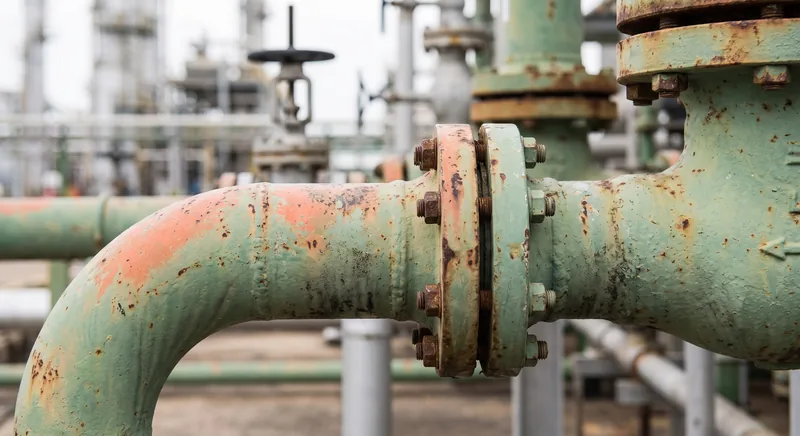
The dryer is tuned to the worst case.
Moisture is checked at the end of the line, so every correction is for product that has already been made. The setpoint runs hot, and the energy bill pays for the safety margin.
Infers outlet moisture continuously from inlet conditions and line speed, then trims the setpoint before the deviation reaches the product.
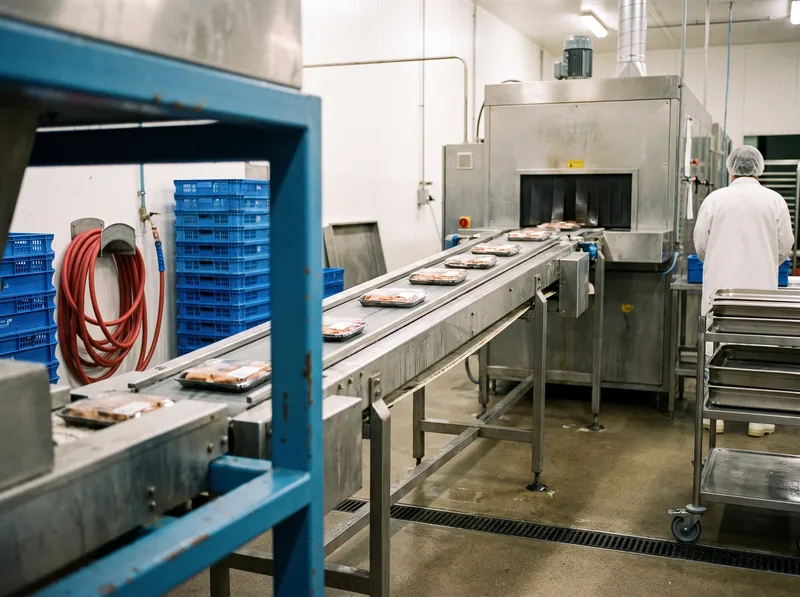
Dosing follows the clock, not the inlet.
Load changes with rain, with the season and with whatever an upstream discharger sends down. A fixed schedule handles that by overdosing, and the one day it underdoses is the day the regulator sees.
Tracks the inlet and forecasts demand ahead of the basin, dosing to the load, with every write on record in the audit log.
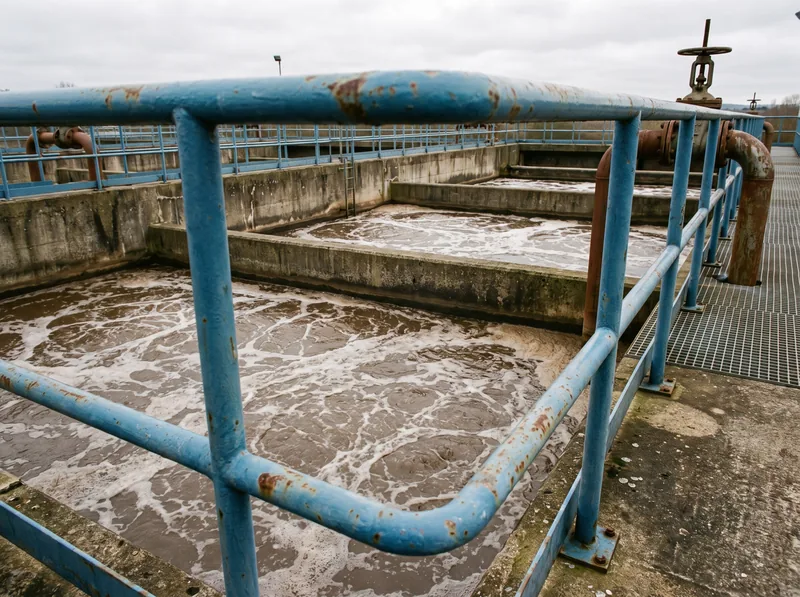
Three different plants, one kind of problem.
The loops have nothing in common. The reason they drift does, and so does the fix: a model that sees what the late measurement will say, and acts before it arrives.
The measurement is late
Lab, end of line, or monthly reconciliation. By the time you know, the material is gone.
The fix is a safety margin
So the setpoint is set conservatively. That margin has a price, and it's paid every hour.
The data already exists
Each of these is solvable from tags your historian has been logging for years.
Closed loop, on the control system they already had.
Each card links to the white paper behind it: the process, the controller it ran on and how the work was done. The numbers are in the papers.
Hydrogen stops being the safety margin
Holds the hot-separator inventory steady, so the reactor runs on the hydrogen it needs instead of extra to be safe.
More naphtha into the high-value blend
Coordinates the blend valves with column level, so the tower stays steady and the upsets that used to swing the system stop.
The mill stops plugging
Spots a bin plug coming before it happens and holds the mill at the most it can sustain.
Colder food, quieter compressors
Learns each case instead of holding worst-case setpoints, with the store's own controller always underneath.
Power and water, traded on purpose
Holds the thermal envelope while balancing energy against water to whatever ratio you choose.
Froth depth that holds
Acts on the upstream valve before the upset reaches the meter, which PID can't see coming.
Same problem in a different plant?
Cement, pulp, metals, pharma. If the loop drifts and the measurement is late, the shape is the same. Reach out with any questions, or ask about a 30-day trial.